
rTMS Referral Guide for Calgary Professionals
A concise clinical pathway for physicians, psychologists, therapists and other mental-health professionals considering an EXOMIND™ rTMS consultation for a patient or client.
Request an rTMS Consultation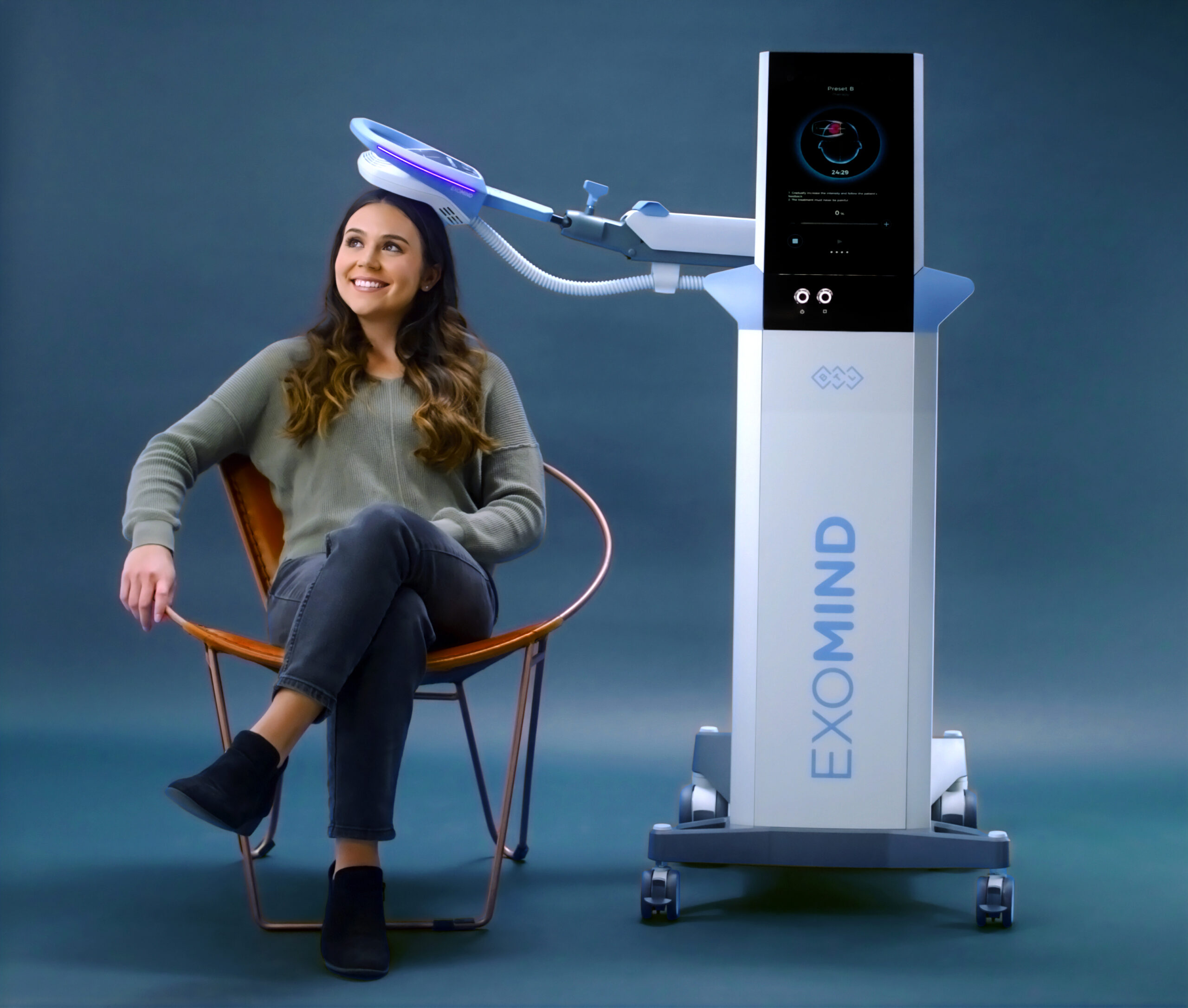
Calgary Mind & Wellness Clinic · coordinated brain-health care
Purpose of a referral
A referral or professional inquiry helps the clinic determine whether an rTMS consultation is appropriate, what additional information is needed and how care can be coordinated with the patient’s existing providers. A referral does not guarantee treatment.
Information that supports an efficient review
Clinical presentation
Primary concerns, working diagnosis, symptom severity, duration, functional impact and relevant comorbidity.
Treatment history
Psychotherapy, medications and other interventions tried, including response, tolerability and adherence when known.
Safety context
Neurological history, seizure risk, implants or metal near the head, medications, substance use and relevant medical factors.
Referral and consultation pathway
- Professional inquiry or patient booking: contact the clinic or use the consultation pathway.
- Clinical review: symptoms, goals, history and available records are considered.
- Safety screening: contraindications, precautions and any medical-clearance needs are identified.
- Recommendation: the clinician explains whether rTMS is suitable, what further assessment is needed or what alternatives may fit better.
- Coordination: with appropriate consent, care can be coordinated with current providers.
Helpful supporting records
- Relevant diagnostic or assessment reports
- Current medication list
- Prior treatment summary and response
- Neurological or medical notes relevant to safety
- Current risk or crisis-management considerations
Send only information that is clinically relevant and shared through an appropriate secure process.
Clinical coordination principles
Clear roles
rTMS does not replace the responsibilities of the prescribing or primary treating professionals.
Measured outcomes
Baseline symptoms, function, tolerability and progress should be monitored using clinically appropriate measures.
Integrated care
Psychotherapy, medication management, assessment and brain-based services may be coordinated when appropriate.
Evidence and patient communication
Explain what is known, what remains uncertain and whether a proposed use is established, emerging or off-label. Avoid promising a response. Treatment decisions should reflect the patient’s clinical presentation, preferences, safety profile and available alternatives.

Clinical author and referral contact
Dr. Courtney Dookie, PsyD, Registered Psychologist
Clinical Psychology & Neuropsychology
Reviewed September 9, 2026.
Calgary Mind & Wellness Clinic
301 14 Street NW, Suite 302A, Calgary, AB T2N 1Z7
Phone: 780-978-9010
Discuss a possible rTMS referral
Use the consultation pathway for an initial suitability review. The clinic can clarify the next step and any information needed for coordinated care.
Request an rTMS ConsultationThis professional guide is general information and does not replace patient-specific medical or psychological judgment.